Understand the settings, follow worked examples, and try the tools yourself.
Developer
Articles:
No articles match. Try another search or browse all articles.
Newest articles first
 Developer
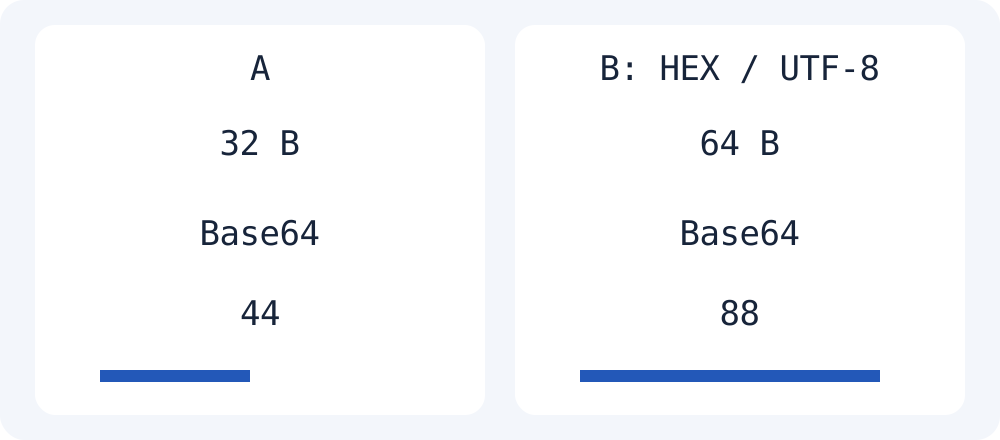
SHA-256 to Base64: Why 44 and 88 Characters Mean Different Inputs
Encoding raw SHA-256 bytes and encoding hexadecimal text produce different Base64 values. Compare 32 bytes, 44 characters and 88 characters with the actual tools and code.
Read the article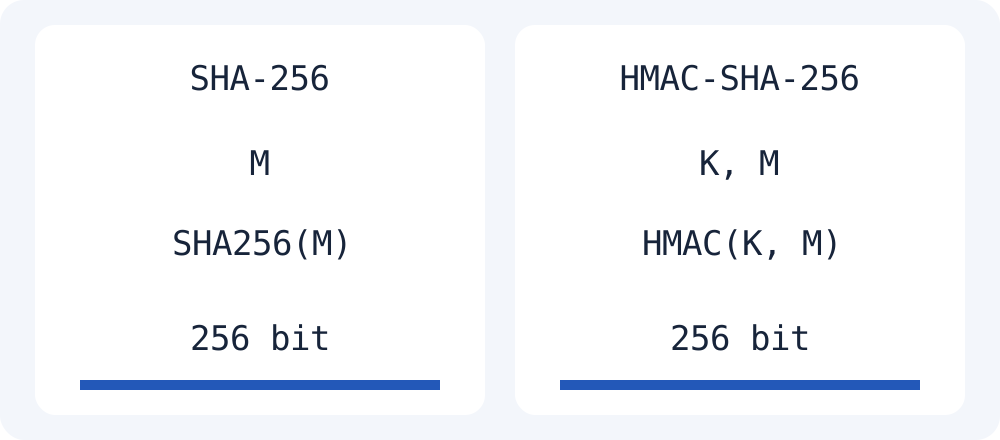 Developer
SHA-256 vs HMAC-SHA-256: Same Length, Different Inputs
Reproduce a public RFC test vector with Web Crypto to distinguish plain hashes from keyed HMAC. Check key bytes and Moyoutil’s supported features.
Read the article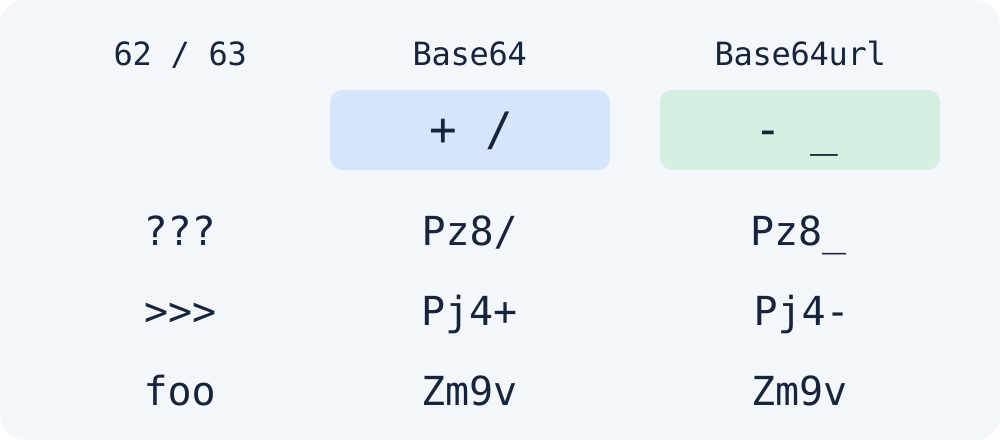 Developer
Base64 vs Base64url: Why - and _ Cause Decode Errors
Reproduce the alphabet differences between Base64 and Base64url, identify identical outputs, and separate JWS padding rules from encoding alphabets.
Read the article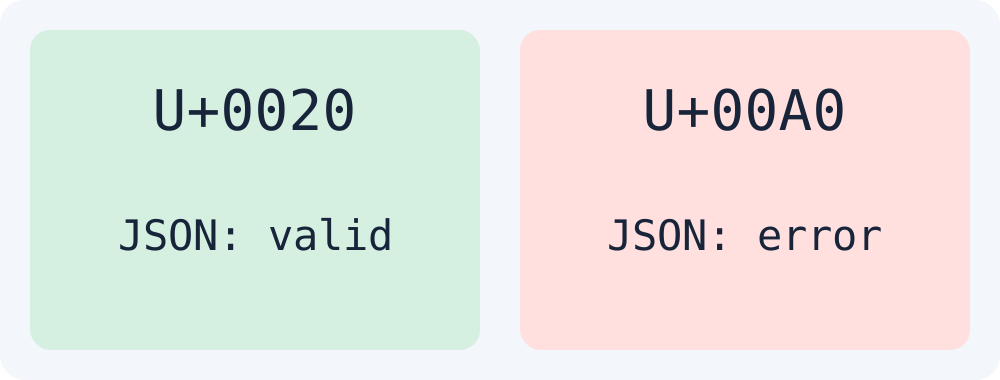 Developer
JSON Whitespace Errors: NBSP Is Not an Ordinary Space
Reproduce JSON validation with U+0020 and U+00A0 in the same position. Separate syntax whitespace from string data before replacing characters.
Read the article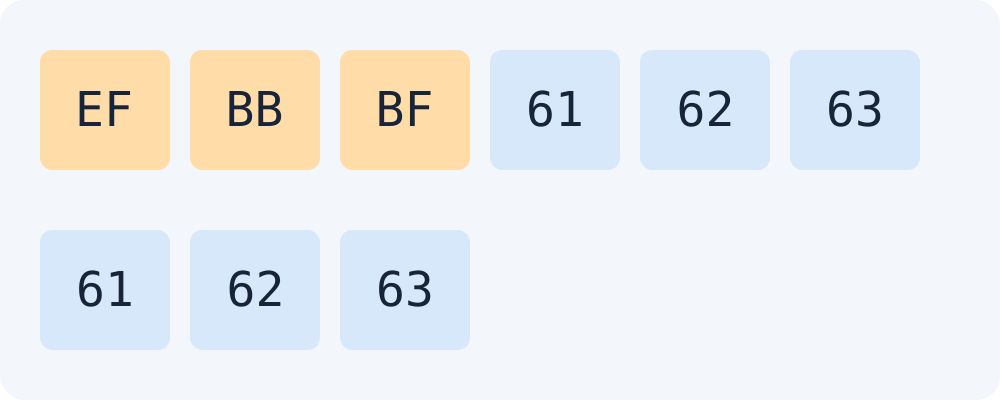 Developer
UTF-8 BOM and SHA-256: Why Pasted Text Has a Different Hash
Reproduce EF BB BF bytes and TextDecoder’s ignoreBOM option. Distinguish original file bytes from re-encoded text when investigating a hash mismatch.
Read the article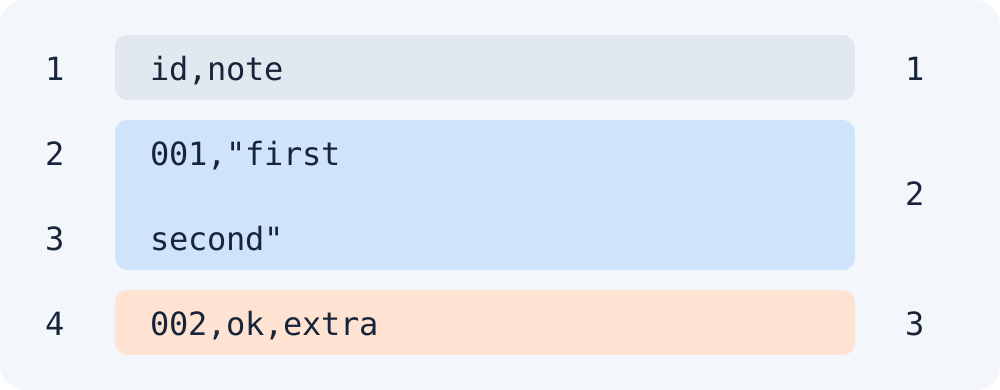 Developer
CSV Line Numbers vs. Records: Find Errors in Multiline Fields
Reproduce a CSV error on line 4, record 3. Learn how multiline fields affect error locations and how to fix a column-count mismatch.
Read the article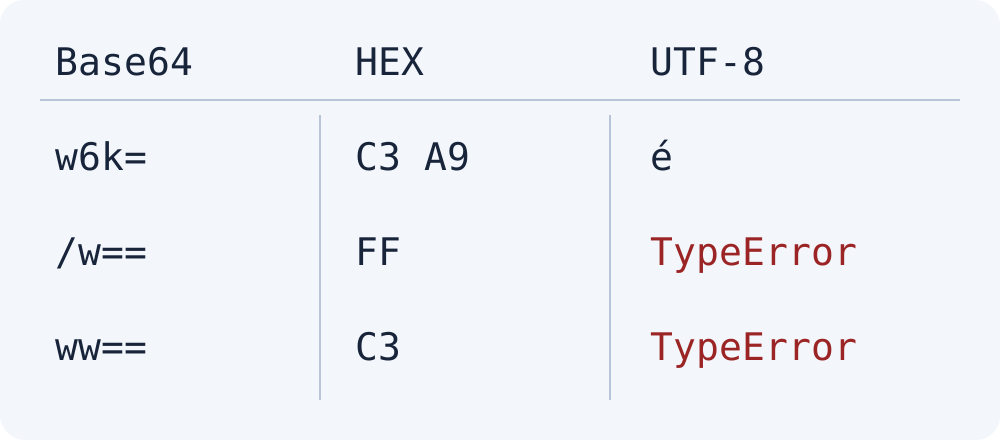 Developer
Base64 Decode Errors: Valid Bytes Are Not Always UTF-8 Text
Separate Base64 decoding from UTF-8 interpretation. Test /w==, w6k= and ww== to identify the failed step and check the original encoding.
Read the article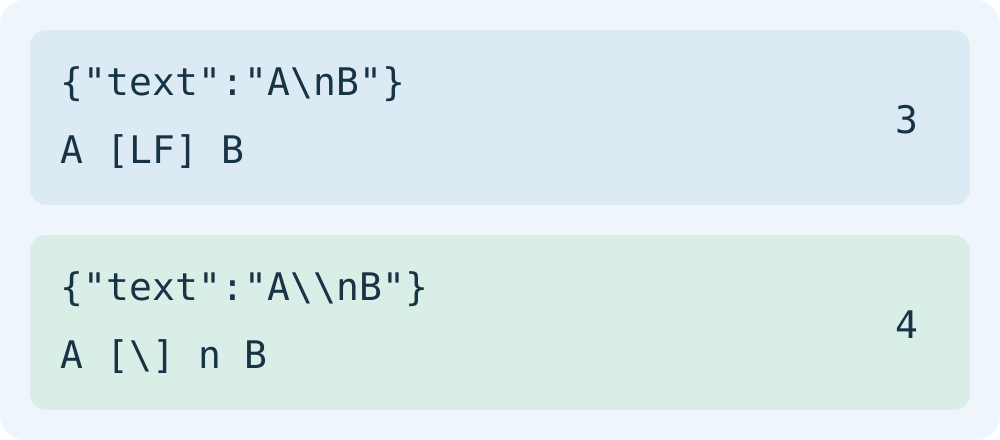 Developer
JSON Newline Errors: \n, \\n and Real Line Breaks
Troubleshoot JSON newline errors with tested examples. Compare escaped newlines, double backslashes, line breaks between tokens and Moyoutil formatting.
Read the article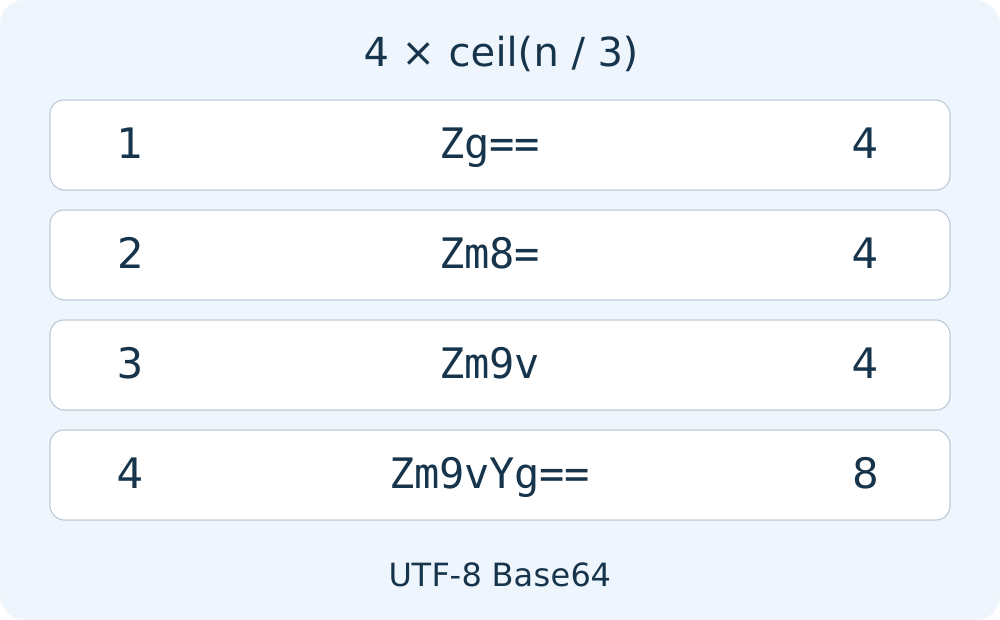 Developer
Base64 Length: Padding and UTF-8 Byte Counts
Calculate Base64 output length and padding with verified examples. Compare UTF-8 bytes, a Korean character, line breaks and Moyoutil’s text-only conversion scope.
Read the article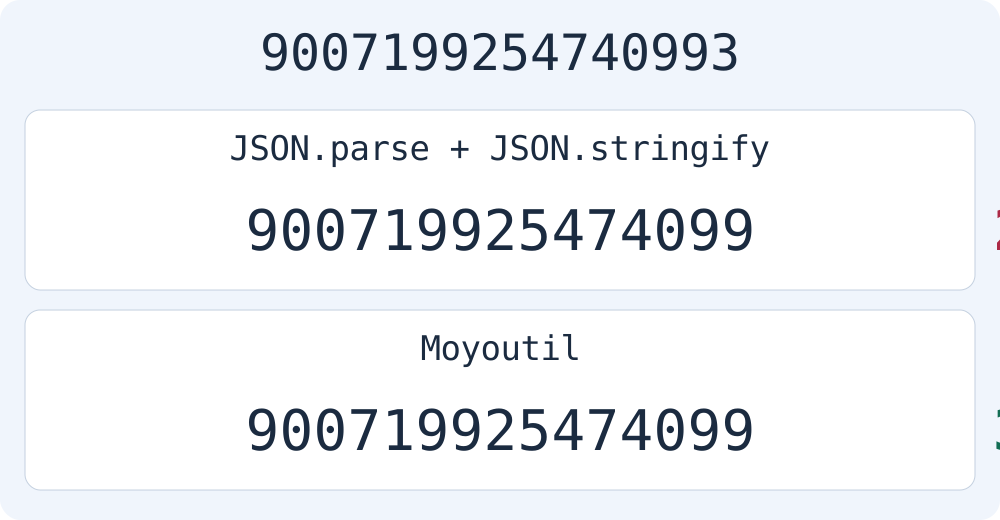 Developer
JSON Number Precision: Format Large Integers Without Changing IDs
See why JSON formatting can change an ID. Compare large integers, 1.00, 1e3 and duplicate keys using actual code, and check what Moyoutil preserves and validates.
Read the article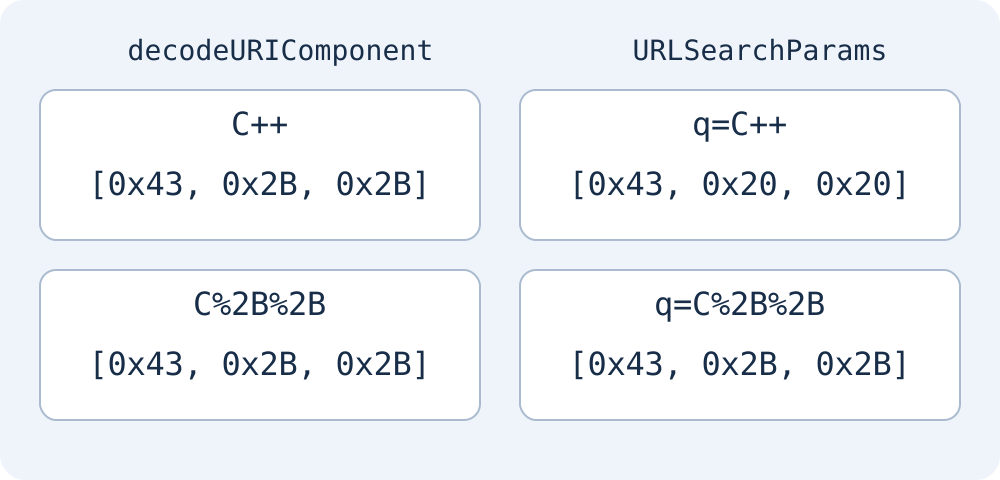 Developer
URL Query Strings: Why +, %20 and %2B Change a C++ Search
Compare +, %20 and %2B with actual code. Learn how decodeURIComponent differs from URLSearchParams, how to preserve a C++ search, and how double encoding happens.
Read the article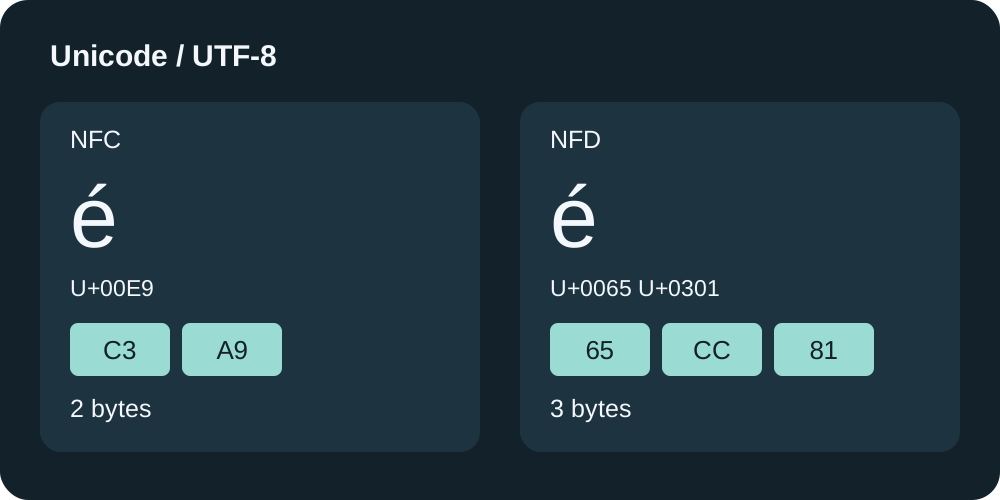 Developer
Why Identical-Looking Text Has Different Bytes and Hashes: NFC vs NFD
Compare NFC and NFD text using measured character counts, UTF-8 bytes, Base64 and SHA-256. Learn when normalization is appropriate and what Moyoutil actually checks.
Read the articleDeveloperJSON Formatting, Base64 and URL Encoding: A Practical Guide
Distinguishes the purposes of JSON grammar checking and cleaning, UTF-8 Base64 encoding/decoding, and URL parameter encoding. We've compiled examples you can run yourself, as well as big integers, double encoding, and security precautions.
Read the articleDeveloperHow to calculate SHA-256 hashes: How to compare files and use text checksums
Describes how to calculate and compare SHA-256 hashes of files and UTF-8 text. Check out examples of SHA-384·SHA-512 selection, line break differences, causes of inconsistencies, and limitations of hash verification.
Read the articleDeveloperUnix timestamp conversion: Understanding seconds, milliseconds, and UTC time differences
Convert Unix timestamps to dates and UTC dates to seconds/milliseconds numbers. 1970 reference, time zone indication, negative values and incorrect date entry are explained with actual calculation examples.
Read the articleDeveloperCSV and JSON Conversion: Quotes, Line Breaks, and UTF-8 Files for Excel
Explains how to convert CSV·TSV into a JSON object array or save JSON as CSV. Check column names, string preservation, UTF-8 BOM, formula interpretation and nested data limits.
Read the articleDeveloperHow to generate UUID v4: Creating multiple · Saving JSON · Understanding the possibility of duplication
Describes how to create v4 identifiers with the UUID generator, using 36-character format, case, and bulk generation/JSON storage. Also check the differences in duplicate inspection scope and authentication/authority management.
Read the article